
Latest news

The gift of giving supports young people in the West Midlands to be active
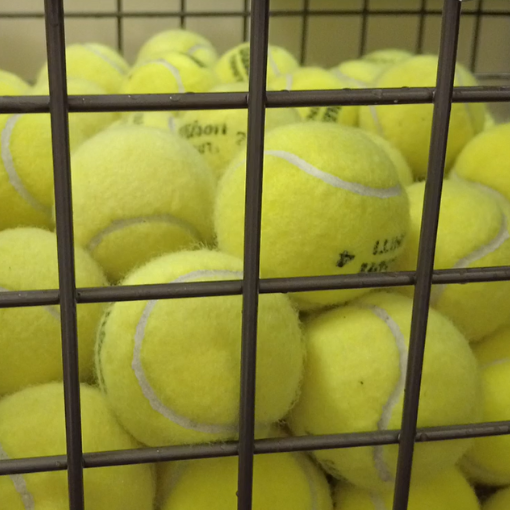
A donation of 400 tennis balls has been warmly received by community organisations in the region and saved a local racquets club from consigning balls with plenty of use to the bin.
A donation of 400 tennis balls has been warmly received by community organisations in the region and saved a local racquets club from consigning balls with plenty of use to the bin.
Knowle and Dorridge Racquets Club were faced with a dilemma when their tennis ball recycling arrangement came to an end earlier this year.
However, through leading grassroots sport charity Sported, they’ve been able to give their useable but unwanted tennis balls a new lease of life, whilst also giving community organisations much-needed equipment.
“Sport’s got huge benefits, as I see it,” says Sarah Nolan from Knowle and Dorridge Racquets Club. “It’s a physical health benefit, but also a mental health benefit.
“As a club, we’re all about sport for all, and so we want to be able to effectively assist that by providing tennis balls for others to use that have still got life in them.
“Rather than just going into landfill, as a club, we wanted to be able to regenerate them with others using them.”
Sported is the UK’s leading charity supporting grassroots sport and has a network of 5,000 groups across the UK which it provides with access to grants, resources and guidance, and assistance from staff and expert consultants for free.
And it was to four of their groups based in the West Midlands that Sported was able to share the 400 balls that the club was able to donate.
One of these groups was Aptitude Youth Work in Coventry, with James Tolley from the organisation remarking at the impact that the generous donation will have on the service they can provide and the young people they support.
“Having a donation this generous, with this many tennis balls, it means that we can put on a variety of sessions, and we can let the young people really explore the sport without having to micromanage what they do with the equipment,” he adds.
“Sport is a community builder. It brings the young people together. It’s also demonstrated as good for wellbeing, healthy lifestyles, good for them emotionally, physically, all the things that young people need.
“And in areas, potentially, where they wouldn’t get access to many activities, we can provide that in a safe space that gets them engaged.”
Earlier this month, Sported launched their new strategy – Grassroots Sport Unleashed – a vision to back grassroots sport and the benefits and impact it brings to local communities across England, Scotland, Wales and Northern Ireland.
Its research has found over 55 per cent of community clubs are reporting drops in participation among young people due to financial pressures with cost of fees, travel expenses and price of kit among the reasons indicated.
But UK government data shows that the same percentage of adults in deprived areas of England are not meeting targets of a minimum of 150 minutes of physical activity per week.
This inequality of opportunity is something that the charity’s CEO, Sarah Kaye, says must be addressed for people of all ages.
“There is a risk currently at play where around half of adults in the most deprived areas of the country do not access sport and physical activity,” she says.
“And the figure among young people makes for even grimmer reading. It means millions across the UK are missing out on all the life-changing benefits which sport unleashes.
“Local clubs strengthen their communities by offering inspirational environments while doubling as hubs that bring people together. The economics of this ecosystem remain fragile and we must ensure that their contribution is recognised. It’s vital that no-one is priced out of being a part of that.”